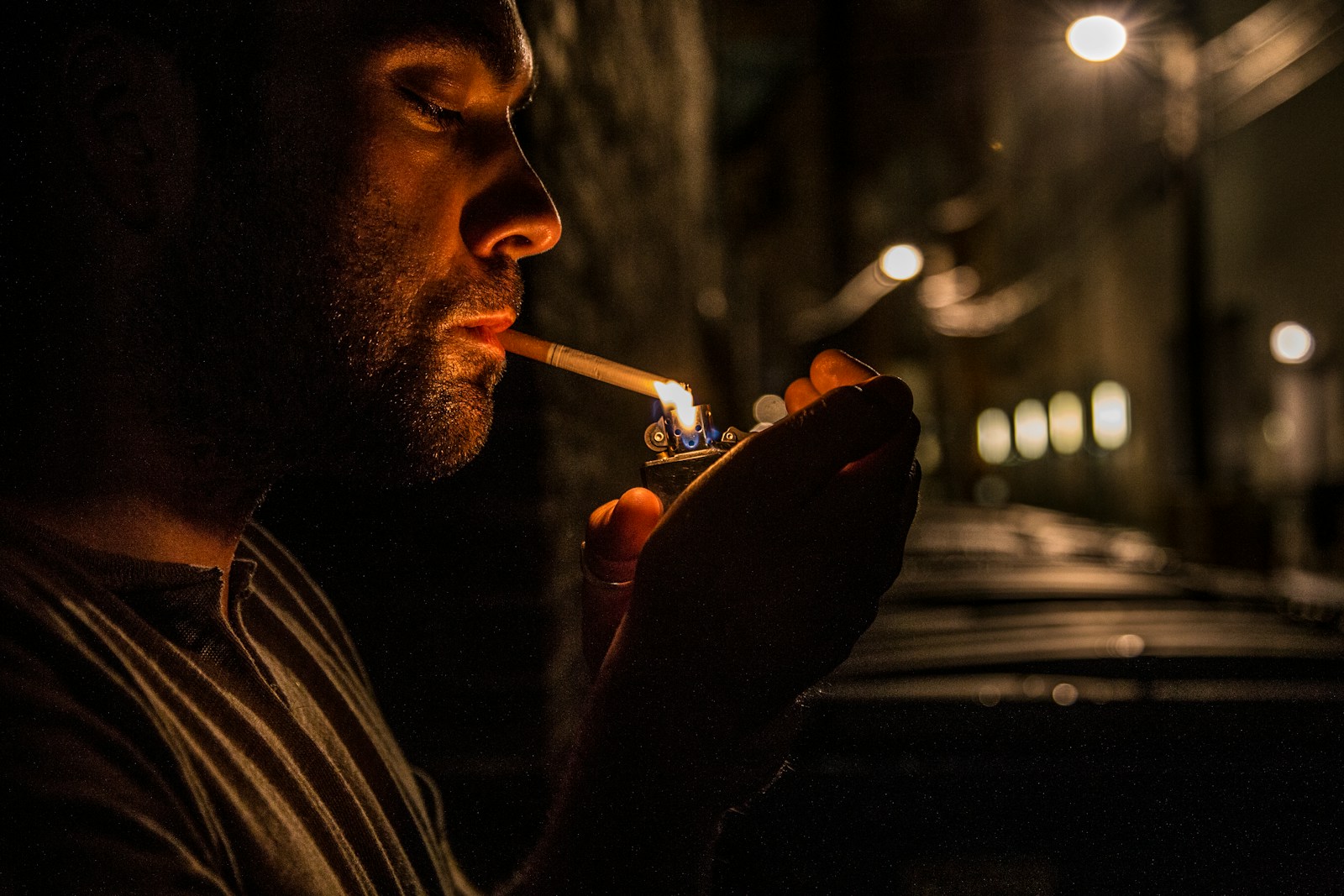
To smoke a cigar, you cut the cap with a guillotine or punch cutter, toast the foot with a butane lighter or cedar match until it glows evenly, and draw the smoke into your mouth without inhaling into your lungs. A typical cigar takes 45 to 90 minutes to smoke depending on the size, with a robusto (5 inches, 50 ring gauge) being the most popular format for beginners.
Smoking a cigar for the first time can feel like showing up to a party where everyone else already knows each other. There are tools involved. Unspoken rules. About a dozen ways to do it wrong before you even get the thing lit. But people have been smoking cigars for centuries, long before anyone wrote a guide about it. The basics aren't complicated. The rest comes with practice.
Choosing your first cigar
Don't start with the most expensive cigar in the humidor. Don't grab the biggest one either. Both are common first-timer moves, and both usually end in a bad experience.
What you want is something mild to medium-bodied with a Connecticut shade wrapper (the light-colored, smooth ones). These are more forgiving and less likely to overwhelm you.
A few things to look for:
- Size: A Robusto (roughly 5 inches, 50 ring gauge) or a Corona. You get a 45-to-60-minute smoke without the marathon commitment of a Churchill.
- Color: Lighter wrappers tend to be milder. Not always true, but a decent starting point.
- Price: $8 to $15 is plenty. You don't need to spend $30 to have a good time.
We put together a full list of the best cigars for beginners if you want specific names.
The single best move, though? Walk into a cigar lounge and tell the person behind the counter it's your first time. They'll steer you right. Most shops genuinely enjoy helping newcomers; it's how they build regulars. Find a lounge near you and ask.
How to cut a cigar
Every premium cigar comes with a cap, a small piece of tobacco leaf glued over the head (the closed end you put in your mouth). You need to cut it to create an opening for the draw. Too little and the draw will be tight. Too much and the wrapper unravels.
Types of cuts
Straight cut (guillotine). The most common and easiest for beginners. A double-blade cutter slices the cap cleanly. Aim to cut about 1/16 to 1/8 of an inch from the top, just below the shoulder where the cap meets the body. Remove enough to open the draw without taking off the entire cap.
Place the cigar in the cutter, line it up, and cut with one firm motion. Hesitating or going slow will crush the tobacco instead of cutting it.
Punch cut. A small circular blade punches a hole in the cap. Gives a tighter draw, which some smokers prefer. Works well on thicker ring gauge cigars but not on torpedoes or figurados, because the tapered shape doesn't accommodate the punch.
V-cut. Creates a wedge-shaped notch. More surface area than a punch, more concentrated draw than a straight cut. V-cutters are cheap and easy to find.
If you're just getting started, grab a decent double-blade guillotine cutter. A reliable one runs $10 to $20. Skip the $2 gas station cutters. Dull blades tear the wrapper and ruin the smoke before it starts.
One thing: don't bite the cap off. It looks cool in exactly zero situations, and you'll end up with tobacco flakes in your teeth.
How to light a cigar
Lighting a cigar is not the same as lighting a cigarette. You can't just hold a flame to the end and puff. There's a process, and it takes about 60 to 90 seconds. That patience pays off with an even burn for the rest of the smoke.
Choosing your flame
Butane torch lighter. The most popular choice, and what you'll see most in lounges. Burns clean with no flavor contamination. Single-flame torches give you the most control; multi-flame torches are faster but can char the foot if you're not careful. This is what I'd recommend starting with.
Wooden matches. Long cedar matches work well and feel more traditional. Let the sulfur burn off for a second before bringing the match to the cigar. Regular short matches are tricky because they burn down to your fingers before you're done.
Cedar spill. A thin strip of cedar (often found in cigar boxes) that you light and use to toast the cigar. Purists love these because the cedar adds a subtle sweetness. Impractical most of the time, but a nice ritual at home.
What to avoid: Regular Bic lighters and Zippos. The fluid taints the flavor of the tobacco. Not the end of the world if it's all you have, but once you taste the difference, you won't go back.
The lighting process
Step 1: Toast the foot. Hold the cigar at a 45-degree angle and bring the flame close to the foot (the open end) without actually touching it. You're toasting, not torching. Rotate slowly so the entire foot starts to glow evenly. Think of it like toasting a marshmallow; you want an even char, not a flame.
Step 2: Start the draw. Once the foot is toasted, bring the cigar to your lips and draw gently while holding the flame near the foot. Keep rotating. Three or four slow puffs until the entire foot is lit.
Step 3: Check your work. Hold the cigar up and look at the lit end. Is the whole foot glowing? If one side is dark, blow gently on the cherry and touch up the unlit section. An even light now saves you from relighting later.
How to smoke a cigar
This is where beginners make the biggest mistake. They inhale.
Don't.
Don't inhale
Cigar smoke is not meant to go into your lungs. You draw the smoke into your mouth, taste it, and let it out. Think of it more like tasting wine than breathing. If you inhale, you'll cough, feel nauseous, and have a miserable time. The nicotine absorption happens through the mucous membranes in your mouth. Your lungs don't need to be involved.
Pacing
A common first-timer habit is puffing too fast, like a cigarette. This overheats the cigar, turns the smoke harsh, and kills the flavor.
One puff every 45 to 60 seconds. Some people go longer. The goal is keeping the cigar lit without overheating it. If it goes out, that's fine. Relight it. Going out once or twice is completely normal, especially if you're taking your time.
Between puffs, let the cigar rest in the ashtray or hold it loosely. A good cigar is meant to last 45 minutes to over an hour depending on size. There is genuinely no rush.
Retrohaling
Once you're comfortable with the basics, try this: after drawing smoke into your mouth, push some of it out through your nose. You're not inhaling into your lungs. You're redirecting from your mouth through your nasal passages.
Why bother? A huge portion of what we perceive as taste actually comes from smell. Retrohaling opens up flavors you'd miss otherwise. Start with a small amount of smoke. It will tingle the first few times.
Completely optional for your first cigar. But once you try it, you'll get why experienced smokers do it every time.
The ash
Let it build. A long, solid ash is actually a sign of a well-constructed cigar. Don't tap it off every thirty seconds like a cigarette. Most cigars hold an inch or more before the ash falls on its own.
When it gets long enough to risk your shirt, gently roll it off in the ashtray. No flicking.
When to stop
You don't have to smoke the whole thing. Most smokers stop in the last inch or two. Flavors concentrate near the nub, heat builds, and it can get harsh. If it stops tasting good, set it down. Let it go out on its own in the ashtray. Don't crush it like a cigarette; that pushes out a cloud of stale smoke that'll clear the room.
For the do's and don'ts of enjoying a cigar around other people, see our guide to cigar lounge etiquette.
Common mistakes beginners make
Choosing a cigar that's too strong. Number one mistake, full stop. A full-bodied Nicaraguan puro is not where you start. You'll get nicotine sick: dizzy, nauseous, sweaty. Start mild. Work your way up over weeks or months. Our guide to cigar types explains the differences.
Smoking on an empty stomach. Nicotine hits harder when you haven't eaten. Have a meal beforehand, or at least a snack. Keep a sugary drink nearby. If you start feeling lightheaded, sugar helps fast.
Puffing too fast. Worth repeating. Once a minute is plenty. If the cigar suddenly tastes hot and peppery when it didn't before, slow down and let it cool.
Storing cigars wrong. If you buy more than one cigar, you need proper storage. Cigars need 65-70% humidity and 65-70 degrees Fahrenheit. Left on a counter, they dry out in a day or two and smoke harsh. Our guide to humidors covers everything you need.
Not asking for help. This is a hobby where people genuinely want to share what they know. The guy at the lounge who's been smoking for 20 years isn't going to judge you for being new. He's going to be thrilled someone asked.
Frequently asked questions
Do you inhale cigar smoke?
No. Draw the smoke into your mouth, enjoy the flavors, and exhale. Cigar smoke is significantly stronger than cigarette smoke. Inhaling it will make you cough and feel sick. All the flavor and nicotine absorption happens in your mouth.
How long does it take to smoke a cigar?
Depends on size. A Corona takes about 30 to 45 minutes. A Robusto runs 45 minutes to an hour. Churchills and Double Coronas can stretch to 90 minutes or two hours. For a first cigar, a Robusto is the right call: long enough to enjoy, short enough that it's not a commitment.
Can you relight a cigar that went out?
Absolutely. If it went out in the last few minutes, knock off the ash, toast the foot again, and relight. If it's been sitting for more than 15 or 20 minutes, the flavors will have gone stale. At that point, better to start fresh.
Is it rude to not finish a cigar?
Not at all. Smoke as much as you enjoy and set it down. Nobody is keeping score. Some cigars shift flavor in the final third in ways you might not like, and that's normal. Just don't crush it out. Let it die on its own in the ashtray.
Where's the best place to smoke a cigar for the first time?
A cigar lounge. The staff can help you pick a cigar, cut it, and light it. You'll be in a ventilated space designed for smoking, surrounded by people who can answer questions on the spot. Much better than fumbling through it alone in your backyard. Browse our directory to find a lounge near you.