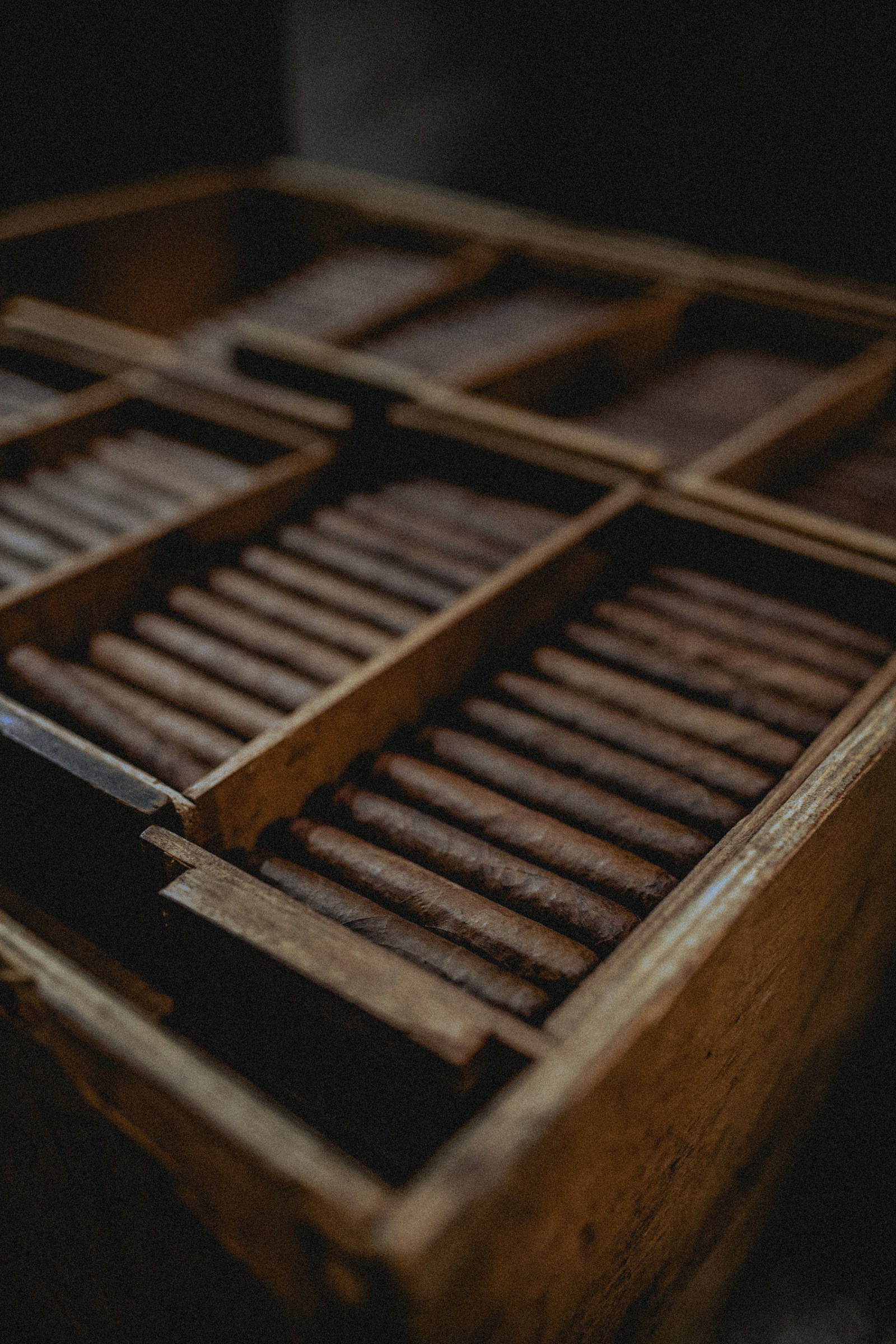
Cigars are classified by three main characteristics: size (length and ring gauge), shape (parejos with straight sides or figurados with tapered ends), and wrapper leaf (from mild Connecticut Shade to bold Maduro). The most popular size is the robusto at 5 inches with a 50 ring gauge, offering a 45-to-60-minute smoke. Wrapper color alone accounts for an estimated 60 to 70 percent of a cigar's flavor profile.
Walk into a well-stocked humidor for the first time and it can feel overwhelming. Rows of cigars in every shade of brown, different lengths and thicknesses, names like "Robusto" and "Torpedo" on the labels. Where do you even start? Once you understand a few basics about sizes, shapes, and wrappers, the whole thing clicks. This guide breaks it down so you can walk into any cigar lounge or tobacconist and actually know what you're looking at.
Anatomy of a cigar
Every handmade premium cigar has three layers:
- Wrapper — The outermost leaf. Most visible, and it contributes more to flavor than most people expect (some estimates put it at 60-70% of the taste). Wrappers are graded by color, texture, and quality. They're also the most expensive leaf in the cigar.
- Binder — Sits just underneath the wrapper, holding the filler together. Less glamorous, but it affects how evenly the cigar burns.
- Filler — The blend of tobacco leaves inside the cigar that makes up the bulk of the smoke. "Long filler" means whole leaves running the full length; "short filler" means chopped tobacco, which is common in machine-made cigars. Premium handmades use long filler.
When someone says "Connecticut wrapper" or "Maduro," they're describing that outer leaf specifically. It tells you a lot about what to expect before you even light up.
Cigar sizes explained
Two measurements define cigar size: length (in inches) and ring gauge (the diameter, measured in 64ths of an inch). A 50 ring gauge cigar is 50/64ths of an inch across, roughly three-quarters of an inch.
Why care about this? Size directly affects two things.
Smoking time. A 5-inch Robusto gives you 45-60 minutes. A 7-inch Churchill can go 90 minutes or longer. Picking the right size for the time you have is one of the most practical decisions you'll make. Nothing worse than abandoning a great cigar halfway through because you ran out of time.
Flavor balance. Thicker ring gauge means more filler burning at once, which tends to produce a cooler, more blended smoke. Thinner ring gauge concentrates the wrapper's contribution, so you taste that outer leaf more. Neither is better. Just different.
If you're newer to cigars, a moderate ring gauge (48-52) gives you a balanced starting point. Very thin cigars can burn hot. Very thick ones require a wider palate to fully appreciate.
Common cigar shapes and vitolas
All cigars fall into two shape categories: parejos (straight-sided) and figurados (tapered or irregular). Most cigars you'll encounter are parejos.
Parejos (straight-sided cigars)
The workhorses. Straight sides, open foot (the end you light), rounded cap on the head (the end you cut and smoke from). Here are the most popular vitolas:
Robusto (5 x 50) — Best-selling cigar size in the world. Five inches, 50 ring gauge, about 45-60 minutes of smoking. If you're unsure what to try, this is the default. Most cigar makers use the Robusto to showcase their best blends, so you'll rarely go wrong here.
Toro (6 x 50) — Same ring gauge as a Robusto, one inch longer. That extra length gives you 15-20 more minutes and lets flavors develop more gradually. A lot of experienced smokers consider the Toro the sweet spot between smoking time and complexity.
Corona (5.5 x 42) — A classic that's been around for centuries. The thinner ring gauge means the wrapper plays a bigger role in the flavor. Coronas deliver a more concentrated, nuanced smoke. This was the standard cigar size before the trend toward thicker gauges took off in the 1990s.
Churchill (7 x 48) — Named after Sir Winston Churchill, who was rarely seen without a cigar in hand. Long format, leisurely 90-minute smoke. The length allows for complex flavor transitions as you move from first third to final third. This is a weekend cigar.
Lancero (7.5 x 38) — Long, thin, elegant. A favorite among aficionados because the slim ring gauge lets the wrapper dominate. If you want to really evaluate a wrapper leaf, this is the format. Lanceros require more skill to roll and to smoke, but they reward you with precision.
Gordo / 60-Ring (6 x 60) — The big option. These thick cigars burn cool and produce a lot of smoke volume. The wide gauge shifts the balance heavily toward the filler blend, with less wrapper influence. Good for a long, relaxed session when you want something smooth and undemanding.
Figurados (tapered and shaped cigars)
Figurados take more skill from the roller, so they often cost a bit more. They look distinctive and change the smoking experience because the taper alters how smoke concentrates.
Torpedo (6-7 x 52-54) — Pointed, tapered head that comes to a closed tip. You cut the tip to your preferred opening size, which gives you control over the draw. Smaller cut concentrates the smoke; larger cut opens it up. The taper also tends to intensify flavors early on.
Belicoso (5-5.5 x 50-52) — Think of it as a Robusto with a pointed tip. Shorter than a torpedo, less dramatic taper. If you want to try figurados without committing to something exotic, start here.
Perfecto (4.5-9 x 38-52) — Tapered at both ends with a bulge in the middle. One of the oldest cigar shapes and one of the hardest to roll. The closed foot means you need to toast it carefully when lighting. Because the diameter changes as you smoke, the ratio of wrapper to filler shifts throughout. Perfectos deliver a unique flavor progression that you won't get from any straight-sided cigar.
Pyramid (6-7 x 40-54) — Pointed head, gradually widening to an open, wide foot. The increasing ring gauge means the smoke gets progressively cooler and more complex. Many smokers enjoy the way a Pyramid builds intensity as you go.
Cigar wrapper types and flavors
The wrapper is where a lot of a cigar's character comes from. Here are the major types and what to expect.
Connecticut
The go-to wrapper for mild cigars. Grown under shade cloth in the Connecticut River Valley (also in Ecuador). Light tan to golden color. Expect a creamy, smooth, slightly sweet profile with notes of cream, cedar, and light nuts. If you're just getting started, a Connecticut-wrapped cigar is usually the right call. Our guide to the best cigars for beginners has specific recommendations.
Habano
Medium to full-bodied with Cuban-seed heritage, now grown widely in Nicaragua, Ecuador, and elsewhere. Medium brown. Spicy, peppery, rich. If you like bold flavors and a kick on the retrohale, this is your wrapper. The Nicaraguan cigar boom of the past two decades runs largely on Habano wrappers.
Maduro
"Maduro" means "ripe" in Spanish. These wrappers are darker because the leaves are fermented longer at higher temperatures. Color ranges from deep brown to nearly black. Sweet, rich, full-flavored with notes of chocolate, coffee, dark fruit, sometimes a hint of molasses. Here's the thing most people get wrong: despite the dark color, maduros aren't necessarily stronger than lighter wrappers. They're often surprisingly smooth.
Oscuro
Even darker than maduro, almost black. Longest fermentation of any wrapper type. Very bold, robust, earthy. Full-bodied with intense, deep flavors. Not for the faint-hearted. But if you love dark coffee and dark chocolate, you'll appreciate what an oscuro brings.
Sumatra
Originally from the Indonesian island of Sumatra, now also grown in Ecuador. Medium brown with a slight sheen. Medium-bodied, slightly sweet, cedary. Sits in a comfortable middle ground: flavorful enough to hold your attention, not so aggressive that it overwhelms. A solid everyday wrapper.
Corojo
Deep Cuban heritage. Corojo was originally the wrapper leaf on classic Cuban cigars before it got largely replaced. Today it's grown in Honduras, Nicaragua, and elsewhere. Spicy, leathery, medium-full with a distinctive peppery character. Reddish-brown hue, oily texture. You'll know it when you taste it.
Cameroon
Grown in the West African country of Cameroon. Has a distinctive toothy texture (small, visible bumps on the surface). Sweet, toasty, slightly nutty with a pleasant mild-to-medium body. The flavor doesn't quite fit any other category. Once you try a Cameroon wrapper, you'll recognize it again. Pairs well with coffee.
How to pick the right cigar for you
With all these sizes, shapes, and wrappers to choose from, here's a simple framework.
Consider your available time
Most practical starting point. Have 30-40 minutes? Go for a smaller corona or petit robusto. Got a full hour? Robusto or Toro. Settling in for a long evening on the patio? Churchill or double corona. There is nothing worse than having to abandon a great cigar halfway through because you have somewhere to be.
Think about strength and flavor
If you prefer milder, smoother flavors, start with Connecticut or Sumatra wrappers. Want more depth? Habano or Corojo. Love bold, rich experiences? Maduro and oscuro will be right in your wheelhouse. For the fundamentals of actually smoking one, our how to smoke a cigar guide covers everything.
Match the occasion
A quick cigar on a weekday evening calls for something familiar and manageable. A special celebration might warrant a figurado or a premium Churchill you've been saving. Casual afternoon with friends? Bring a variety and let everyone pick.
Ask your local tobacconist
One of the best things you can do is walk into a cigar lounge and have a conversation. A good tobacconist will ask what you enjoy, suggest cigars based on your preferences, and help you explore new territory at your pace. Browse our directory to find a shop with knowledgeable staff near you.
Keep notes
As you try different cigars, jot down what you smoked and what you thought. Over time, you'll notice patterns. Maybe you always gravitate toward Habano wrappers. Maybe you prefer the Toro size over everything else. That personal data is worth more than any recommendation list. And if you're starting to build a collection, understanding how humidors work will keep your cigars in proper shape.
Frequently asked questions
What is the most popular cigar size?
The Robusto (5 x 50). It offers a balanced smoke in about 45-60 minutes, making it versatile enough for most occasions. When a cigar brand releases a new blend, the Robusto is almost always one of the first sizes available.
Are darker cigars stronger than lighter ones?
Not necessarily. Darker wrappers like maduro and oscuro tend to be fuller in flavor, but the filler blend inside has a bigger impact on nicotine strength. A dark maduro-wrapped cigar can actually smoke smoother and milder than a lighter-colored cigar with a potent Nicaraguan filler blend. Color tells you about flavor character, not strength.
What is the difference between a torpedo and a belicoso?
Both have tapered heads, but a torpedo is typically longer (6-7 inches) with a more pronounced, sharply pointed tip. A belicoso is shorter (around 5 inches) with a more subtle, slightly rounded taper. In practice, many cigar makers use the terms loosely, so there's overlap.
What cigar size is best for beginners?
A Robusto or Corona with a Connecticut wrapper. The Robusto gives you manageable smoking time without being too thin (thin cigars can burn hot and harsh for someone still learning proper puffing cadence). The Connecticut wrapper keeps things smooth and approachable.
Does ring gauge really affect flavor?
Yes, meaningfully. A thinner ring gauge (38-42) lets the wrapper dominate since it makes up a larger proportion of what's burning. A thicker ring gauge (54-60) shifts the balance toward the filler, producing a cooler, more blended flavor. Neither is superior. It's a matter of what you prefer.
Wrapping up
Understanding cigar sizes, shapes, and wrappers gives you the vocabulary and confidence to explore on your own terms. You don't need to memorize every vitola overnight. Start with a Robusto, pay attention to what wrapper you enjoy, and branch out from there.
Every new size or wrapper type is a chance to discover something you didn't know you liked. And if you ever feel lost standing in front of a humidor, just ask. Cigar people love talking about cigars. A great lounge near you will have someone happy to help you find your next favorite smoke.